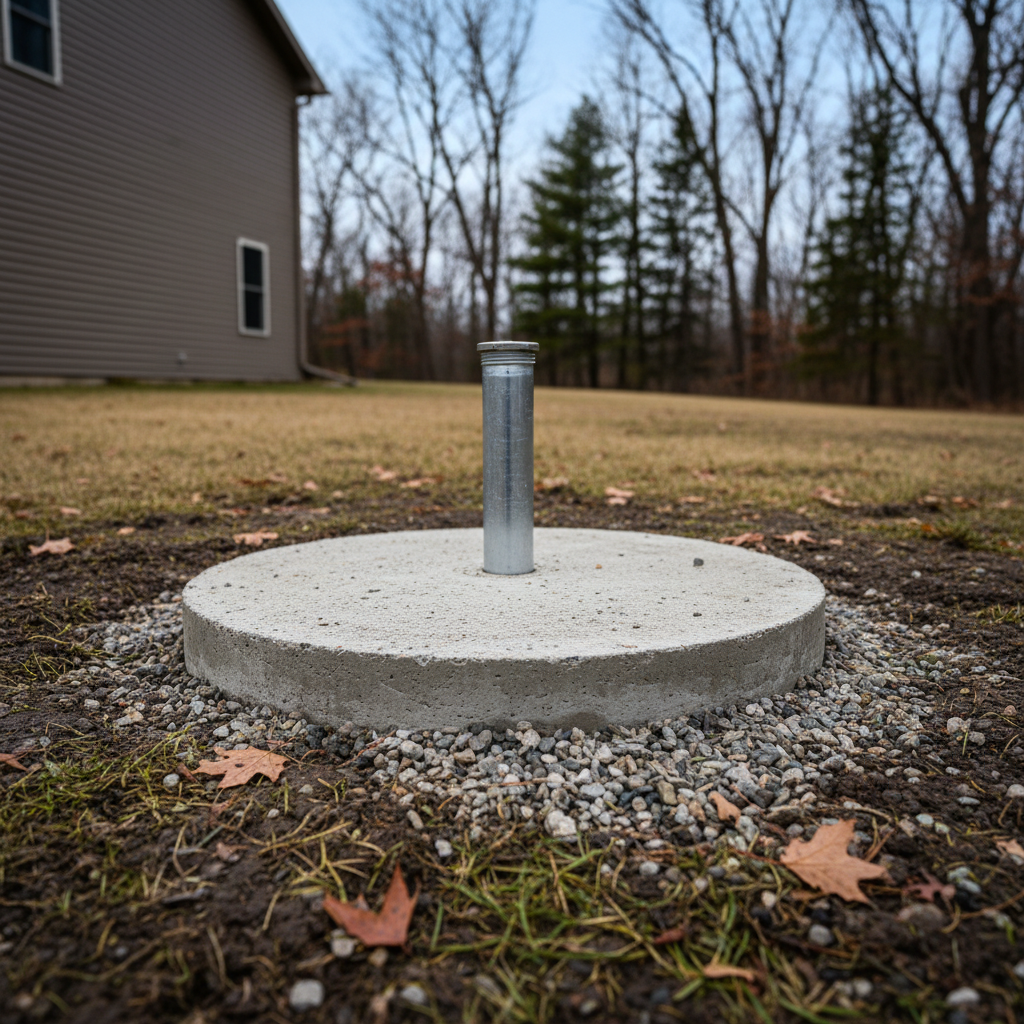
So, you're thinking about putting in a private well for your home here in Flint. Maybe those city water bills are getting to you, or you just want the peace of mind that comes with having your own water source. Whatever your reasons, it's a big project, and you've probably got a ton of questions. That's good. I've been drilling wells around here for years, and believe me, I've seen it all. Let's break down what you really need to know.
Before We Even Think About Drilling
First off, you can't just stick a drill in the ground anywhere. There are permits, regulations, and a whole lot of planning involved before we even start. This isn't a DIY job for the homeowner, not at this stage anyway. You'll need to know about setbacks from septic systems, property lines, and potential contamination sources. Here in Flint, especially in some of the older neighborhoods with smaller lots, finding a good, compliant spot can be tricky. We've got areas where the soil composition changes pretty quickly, from sandy loams to heavy clays — that definitely affects where and how deep we can drill. A professional well driller, like us at Apex Well Drilling, will handle the permitting process for you. We know the Genesee County Health Department requirements inside and out. We'll also do a site assessment to figure out the best location and estimate the depth.
What you can do before calling us is gather your property survey, if you happen to have one. Also, think about your water needs. How many people live in your house? Do you have a big garden? Are you planning to fill a pool? This information helps us size your well and pump correctly. You certainly don't want to run out of water when everyone's showering, do you?
What Happens During the Drilling Process?
Once all the permits are in place and we've got a solid plan, that's when the heavy equipment rolls in. This is 100% a job for professionals. You're talking about specialized drilling rigs, casing, screens, and a lot of technical know-how. We'll drill a borehole, install the well casing to prevent the well from collapsing and keep surface contaminants out, and then put in a well screen at the bottom to filter out sand and gravel. The depth varies a lot around Flint; some areas might hit good water at 80 feet, others might need to go down 200 feet or more, especially if you're looking for a specific aquifer.
During this phase, your main job is to stay out of the way and let us work. It's noisy, it's messy, and it's a construction zone. We'll keep you updated on progress, but trust me, you don't want to be trying to 'help' with a drill rig. We'll also test the water flow rate as we go to make sure we're getting a good yield.
After the Well is Drilled: What's Next?
Okay, the well's in! But you're not quite ready to drink from it yet. There are a few more steps. First, we'll develop the well, which means pumping it to remove any sediment and improve its efficiency. Then comes the well pump installation. This is another job for us. We'll install the submersible pump, pressure tank, and all the necessary plumbing and electrical connections to get water into your house. We'll also disinfect the well to kill any bacteria that might have been introduced during drilling.
Here's where you, the homeowner, start to have some responsibilities. Once the well is disinfected, you'll need to get the water tested. This is crucial. You can collect the sample yourself, but you'll need to follow specific instructions from a certified lab (like the Genesee County Health Department lab) to ensure an accurate test for bacteria, nitrates, and other common contaminants. Don't skip this step! You want to make sure your water is safe to drink before you start using it.
After that, it's about maintenance. You'll want to get your water tested annually, especially for bacteria. Keep an eye on your pressure tank and pump for any unusual noises or changes in water pressure. Keep the area around your wellhead clear of debris, chemicals, and anything that could contaminate it. If you notice any significant changes in your water's taste, smell, or clarity, or if your pump is running constantly, that's when you call Apex Well Drilling. We'll come out and diagnose the problem. A well is a long-term investment, and with a little care, it'll provide you with clean water for decades.