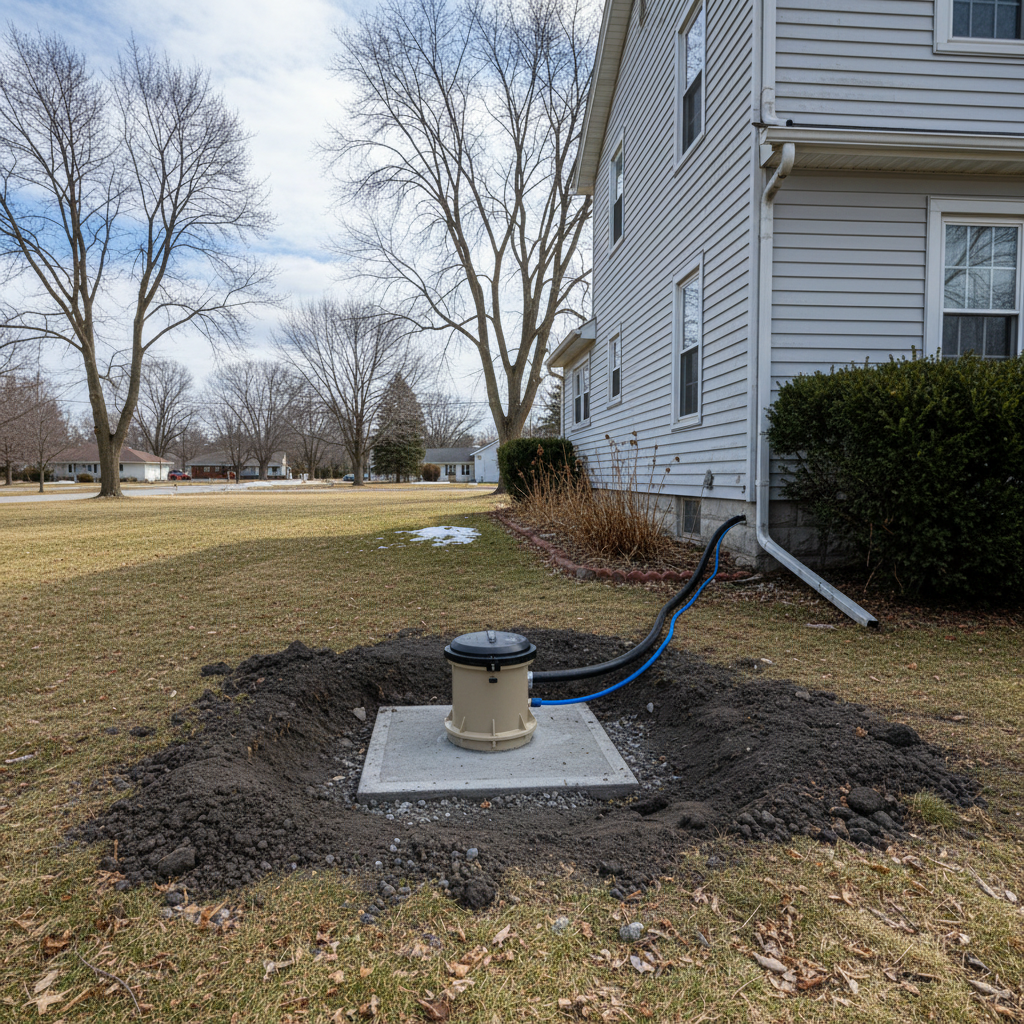
Your well pump? That's the heart of your home's water system, plain and simple. When it starts acting up, things get complicated fast. Here in Flint, we see all four seasons, and every single one brings its own challenges for well pump repair and maintenance. Knowing when to give us a call and what to expect can save you a whole lot of headache.
When's the Best Time for a Routine Well Pump Check?
Look, if your pump's already dead, you call us immediately, no question. But for preventative stuff, or if you're just noticing minor issues, timing really matters. I always tell folks, spring and fall are your sweet spots for non-emergency work. Why?
- Spring (April-May): After a long, cold Michigan winter, things can shift. Frost heave can really stress underground lines, and dormant problems might just start showing up as the ground thaws. It's a perfect time to have us out for a check-up before summer demand kicks in. We can often spot small issues before they blow up into big, expensive ones.
- Fall (September-October): Before the ground freezes solid, it’s smart to make sure everything's buttoned up for winter. Checking pressure tanks, seals, and electrical connections now can prevent a burst pipe or a dead pump when temperatures plummet. Trust me, you absolutely do not want to be without water when it's 10 degrees outside.
Trying to do major work in the dead of winter or the peak of summer? It's tougher, often takes longer, and can sometimes cost a bit more because of the conditions. We're always here for emergencies, of course, but planning ahead is almost always better.
How Weather Affects Well Pump Repair Work
You might not think about it, but the weather outside directly impacts how we do our job. It's not just about us being comfortable; it's about safety, our equipment, and getting the job done efficiently.
- Winter's Bite: When it's freezing, digging is a nightmare. The ground turns to concrete, you know? We've got specialized equipment, sure, but it's slower, harder work. Frozen pipes are a common culprit, and thawing them out safely takes time. Plus, working with cold, stiff materials and numb fingers isn't exactly ideal. If we have to pull a pump from a deep well in January, it's a much more involved process than in July. We've even seen pumps get stuck in wells because of ice buildup around the casing, especially in older homes in areas like the College Cultural neighborhood where some wells might be a bit shallower.
- Summer Heat & Storms: Extreme heat can be tough on our crew and our equipment. More importantly, summer often brings thunderstorms. Lightning strikes are a surprisingly common cause of pump damage, frying control boxes and motors. If we're out there during a storm, safety is our number one concern, which might mean delays. Heavy rain also turns digging sites into muddy messes, making access difficult and increasing the risk of equipment getting bogged down.
- Spring Thaw & Mud: While spring is great for scheduling, the early thaw can mean very wet, muddy conditions. This can make it hard to get heavy equipment to the well site without tearing up your yard. We're always careful, but sometimes it's just unavoidable.
So, while we'll always come out when you need us, understanding these challenges helps explain why some jobs might take a bit longer or have specific considerations depending on the season.
Protecting Your Well System Year-Round: It's an Investment
Your well system, from the pump down in the ground to the pressure tank in your basement, is a significant investment. Protecting it year-round isn't just about avoiding repairs; it's about making sure your family always has a reliable water supply. Here's what I recommend:
- Winterize Exposed Pipes: Any pipes leading from your well to your house that are above ground or in unheated spaces need insulation. Even a little bit of heat tape or foam insulation can prevent a burst pipe when temperatures drop below zero. And hey, don't forget those outdoor spigots!
- Check Your Pressure Tank: This one's often overlooked. Your pressure tank helps maintain consistent water pressure and reduces how often your pump cycles. If it's waterlogged or not holding pressure correctly, your pump works harder and wears out faster. A quick check by Apex Well Drilling can tell you if it's properly charged.
- Monitor Your Water: Pay attention to changes. Is your water pressure lower than usual? Is the water discolored? Are you hearing strange noises from your pump or tank? These are all signs that something might be amiss. Don't ignore them hoping they'll just go away.
- Keep the Well Area Clear: Make sure your well cap is visible and accessible. Don't pile snow, firewood, or landscaping materials over it. We need clear access if we have to get in there for a repair. Plus, a clear area helps prevent debris from contaminating your well.
- Consider a Surge Protector: Especially with our Michigan thunderstorms, a whole-house surge protector can be a lifesaver for your pump's electrical components. It's a small investment that can prevent a much larger repair bill after a lightning strike.
Taking these steps throughout the year can extend the life of your well pump and prevent unexpected, costly breakdowns. We're here to help you keep your water flowing, no matter the season.