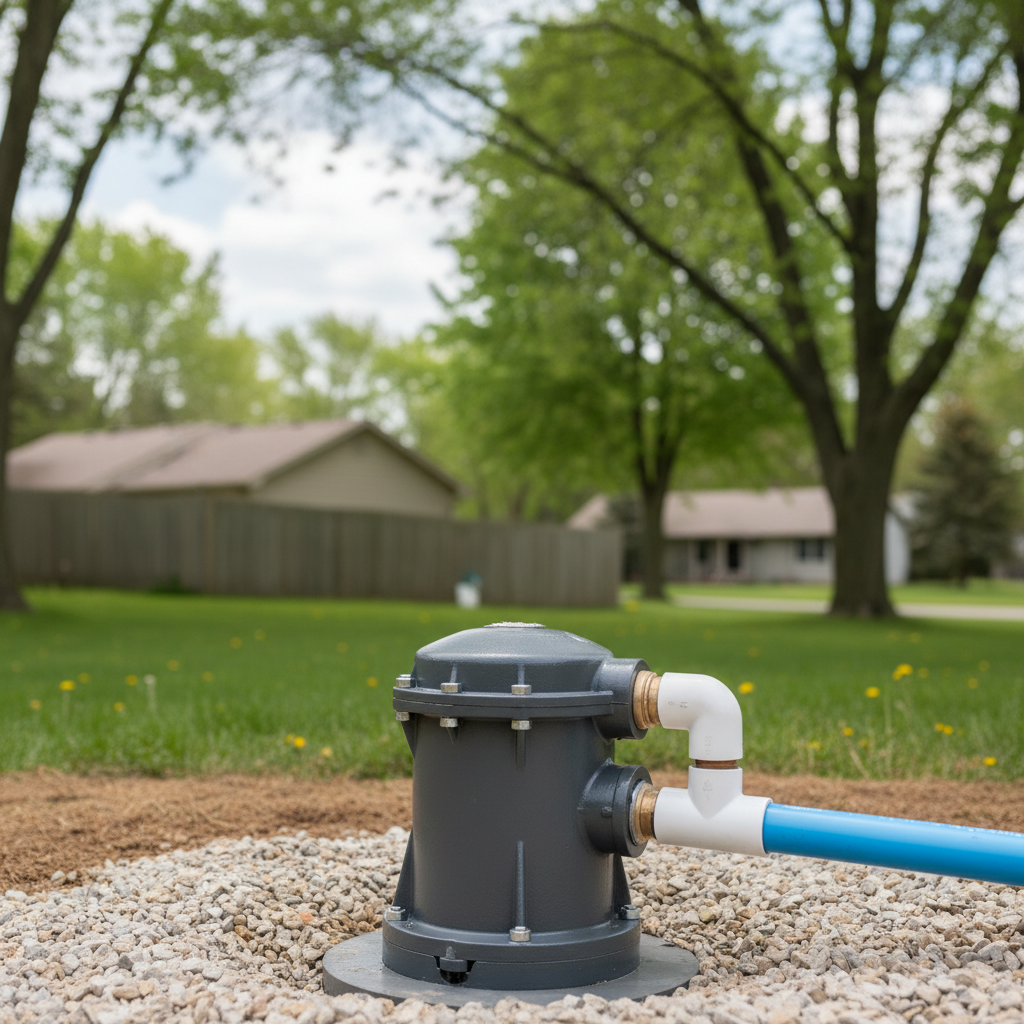
My water stopped working. Is it definitely the pump?
Not always, but it's a strong contender, especially if you're on a well system here in Flint. When you lose water pressure entirely, or it just stops, your pump is often the culprit. But before you jump to conclusions, check a few other things. Is your power out? Did a breaker trip for the well pump? Sometimes it's something as simple as that. If those aren't it, then yeah, your pump or something related to its electrical supply is likely the problem. It could be the pump itself, the pressure switch, the control box, or even a wiring issue. That's when you call someone like me, at Apex Well Drilling, to come take a look.
How long does a well pump usually last before it needs repair or replacement?
That's a great question, and there's no single answer, but I can give you a good range. Most submersible well pumps, the kind we see a lot of around here, are built to last anywhere from 8 to 15 years. Some go longer, some shorter. It really depends on a few things: how often it runs, the quality of the water (sediment, minerals, that kind of stuff), and the quality of the original installation. A pump that's undersized for your household's demand will cycle more often and wear out faster. Same goes for a pump that's oversized; it might short-cycle. We've seen pumps in the older parts of Flint, especially where the water table can fluctuate, sometimes needing attention sooner. Regular maintenance, or at least keeping an eye on your water quality, can help extend its life.
What are the signs my well pump is failing?
You'll usually get some warning signs before your pump completely conks out. Keep an ear and an eye out for these:
- Fluctuating water pressure: One minute it's strong, the next it's weak. This is a big red flag.
- Strange noises from the well or pressure tank: Grinding, rattling, or a constant humming could mean trouble.
- Air spitting from the faucet: If you're getting spurts of air along with your water, it could be a sign the pump isn't pulling water efficiently.
- Higher electric bills: A failing pump might be working harder than it should, drawing more power.
- Water that looks cloudy or has sediment: This can sometimes indicate the pump is pulling from the bottom of the well, or the well screen is compromised.
- Pump constantly cycling on and off: This is called short-cycling and often points to a problem with your pressure tank or a leak in the system, but it can also stress the pump.
Can I fix my well pump myself, or do I need a professional?
Look, I'm all for DIY when it's safe and within your skill set. Changing a lightbulb? Go for it. But well pump repair? That's usually a job for a pro. There's a lot that can go wrong. You're dealing with high voltage electricity, heavy equipment, and the potential for damaging your well itself. Plus, if it's a submersible pump, it's way down in the well, sometimes hundreds of feet. You need specialized equipment to pull it up without dropping it or damaging the well casing. There are also safety concerns with the water supply. If you mess it up, you could contaminate your water or create an even bigger, more expensive problem. For most homeowners, it's better to call someone who does this every day.
How much does well pump repair or replacement typically cost in the Flint area?
This is where it gets tricky because there's such a wide range. A simple repair, like replacing a pressure switch or a control box, might run you a few hundred bucks, including parts and labor. But if you need a whole new submersible pump, that's a much bigger job. You're looking at the cost of the pump itself (which varies greatly by horsepower and brand), the labor to pull the old one and install the new one, and any other materials like new piping or wiring. For a full replacement, you could be looking anywhere from $1,500 to $4,000 or more, especially if the well is very deep or there are complications. We always give a clear estimate after diagnosing the issue so you know exactly what you're getting into.
What's the difference between repairing and replacing a pump? When should I choose one over the other?
That's a decision we help our customers make all the time. Repairing means fixing a specific component, like a faulty pressure switch, a damaged wire, or a bad capacitor in the control box. It's usually the cheaper option if the main pump motor and housing are still in good shape. Replacement, on the other hand, means pulling out the old pump entirely and putting in a brand new one. You should consider replacement if:
- The pump is old and past its expected lifespan.
- The cost of the repair is more than half the cost of a new pump.
- The pump has suffered significant damage, like a burnt-out motor.
- You've had multiple repairs on the same pump recently.
- The pump is no longer meeting your household's water demands efficiently.
How can I prevent future pump issues?
While you can't prevent every issue, you can definitely do things to extend your pump's life and avoid common problems. First, make sure your pump and pressure tank are properly sized for your home's needs. An undersized pump works too hard, and an oversized one short-cycles. Second, consider having your water quality tested periodically. High sediment or corrosive minerals can really wear down a pump over time. A good filtration system can help. Third, listen to your system. If you hear new noises or notice pressure changes, don't ignore them. Addressing small issues early can prevent them from becoming big, expensive ones. Finally, be mindful of what goes down your well. Keep the area around your wellhead clean and secure. It's all about being proactive, not reactive, when it comes to your well system.