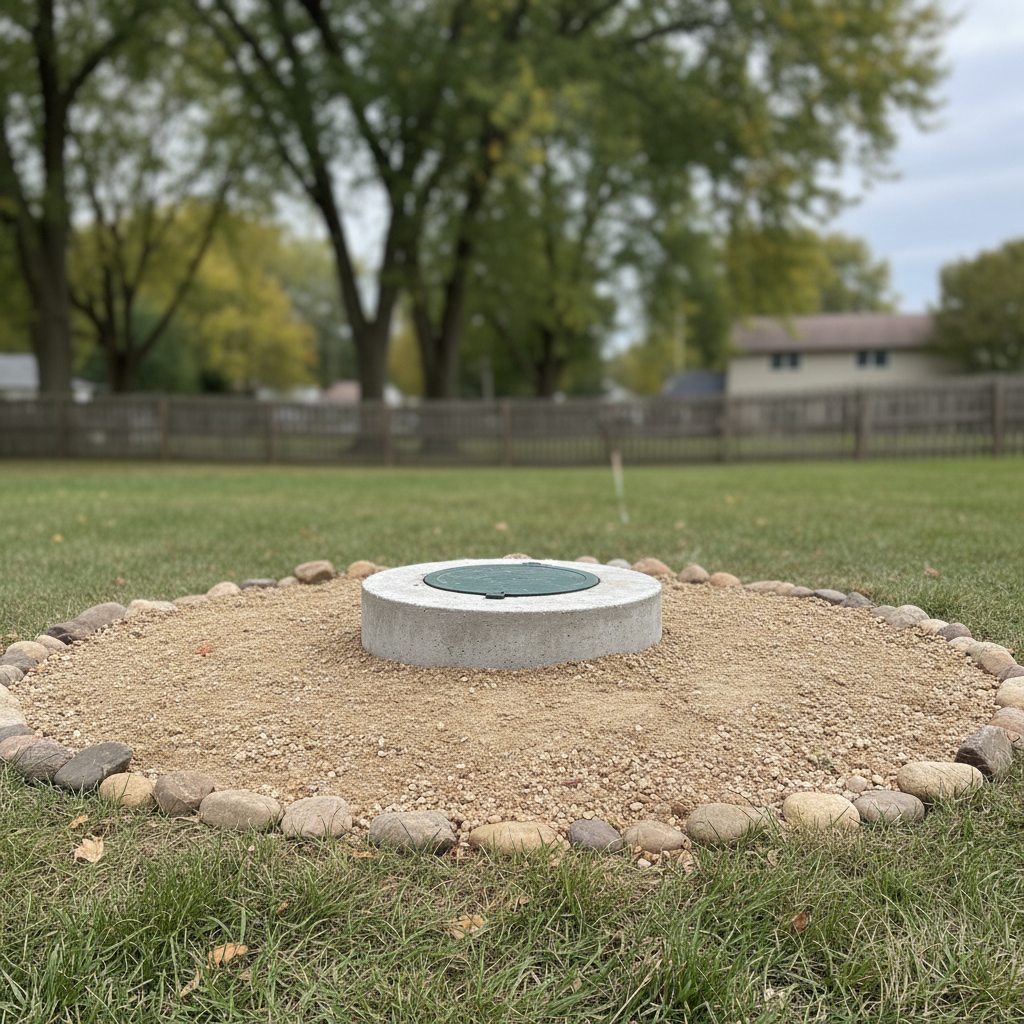
What's Environmental Drilling, Anyway?
Okay, so you've heard the term "environmental drilling," and you're probably picturing something complicated, maybe even a little scary. Let's clear that up right away. For a homeowner in Flint, environmental drilling usually means taking soil or groundwater samples from your property. Why would you do that? Well, maybe you're buying or selling a place, and there's a worry about old underground storage tanks. Or perhaps you're dealing with a spill. Sometimes, it's just about figuring out what's going on beneath your feet, especially if you're thinking about a new well or septic system and need to know the soil composition and water table depth.
It's not about drilling a new well for drinking water, though we certainly do plenty of that at Apex Well Drilling. This is more about investigating, about getting a peek at the dirt and water down deep without tearing up your whole yard.
Before the Drill: Your Homework
Before anyone even thinks about bringing a rig onto your property, there's some groundwork you can and really should do yourself. This isn't just about saving money; it's about being prepared and making the whole process go a lot smoother.
Know Your Property History: This is huge. Did the previous owner mention anything about old oil tanks? Was there ever a business on the site before it was residential? Even if it was just a gas station down the street, understanding how your land and the areas around it were used in the past can give you clues about potential contaminants. Check old city records, fire department files, or even historical aerial photos if you can find them. It's surprising what you can dig up sometimes.
Identify Utilities: Before any hole gets poked, you absolutely, positively need to know where your underground utilities are. Call MISS DIG 811. It's free, it's the law, and it prevents a whole lot of headaches (and potential electrocutions or explosions). They'll mark public utilities like gas, electric, and communication lines. But remember, they won't mark private lines – things like your septic system lines, private well lines, or irrigation systems. You'll need to locate those yourself or hire a private utility locator, which is often a good idea.
Access and Obstacles: Walk your property. Where would a drill rig need to go? Are there fences, trees, or tight spots? A typical environmental drill rig isn't as big as a water well rig, but it still needs room to maneuver and set up. Think about overhead power lines or low-hanging branches too. Clear a path if you can. The less time a crew spends clearing, the less you'll pay, simple as that.
Permits: Depending on what you're doing and why, you might need a permit from the city or county. This isn't something you want to skip. Check with the Genesee County Health Department or the City of Flint Building and Safety Department. They can tell you what's required for environmental sampling on private property.
During the Project: What to Expect & When to Step Back
Once you've done your homework and hired a reputable environmental drilling company (like us, Apex Well Drilling, if you're in the market), here's what you can expect.
The Crew Arrives: They'll bring their rig, tools, and safety gear. They'll review the site with you and confirm the drilling locations. This is your last chance to point out anything you might have missed.
Safety First: These guys are professionals. They'll set up safety cones, barricades, and make sure the area is secure. Stay clear of the active drilling zone. It's a work site, and things can move quickly and powerfully.
Drilling and Sampling: They'll drill boreholes, typically using hollow stem augers or direct push methods, to collect soil and/or groundwater samples. They'll log the soil types as they go – you'll often hear them talking about clay, sand, or the hardpan layer we sometimes hit around Flint. The samples are carefully collected, labeled, and often put on ice for transport to a lab.
What You Can Do: Mostly, you need to stay out of the way. You can observe from a safe distance, ask questions during breaks, and make sure they have access to water or a restroom if needed. You're not operating the equipment, and you're not collecting samples. That's specialized work that requires specific training to ensure the samples aren't contaminated and are collected correctly for lab analysis.
Waste Management: Drilling generates waste – soil cuttings and potentially some contaminated water. A good contractor will have a plan for handling this. Sometimes it can be spread on-site if it's clean; other times it needs to be contained and disposed of properly. Make sure you understand this part of the process upfront.
After the Drilling: What Happens Next
The drill rig pulls out, but the project isn't over for you.
Site Restoration: The boreholes will be properly abandoned and sealed according to state regulations, usually with bentonite grout to prevent contamination pathways. The crew will do their best to restore the site to its original condition, backfilling small holes and cleaning up any mess. Sometimes, depending on the sample type, they might install a temporary monitoring well. If they do, they'll explain what it's for and how long it'll be there.
Lab Results: This is the big one. The samples go to an accredited laboratory for analysis. This can take anywhere from a few days to a few weeks, depending on the tests. Your environmental consultant or drilling company will usually help you interpret these results.
Understanding the Report: Don't just skim the report. It's going to have a lot of technical jargon. If you don't understand something, ask. This report will tell you what's in your soil or water and whether it meets regulatory standards. It's critical for making informed decisions about your property, whether that's for a real estate transaction, remediation, or just knowing what's what.
Environmental drilling isn't something you do every day, but when you need it, you need it done right. Do your part with the prep work, hire folks who know what they're doing, and pay attention to the results. It's all about protecting your investment and your family's health.