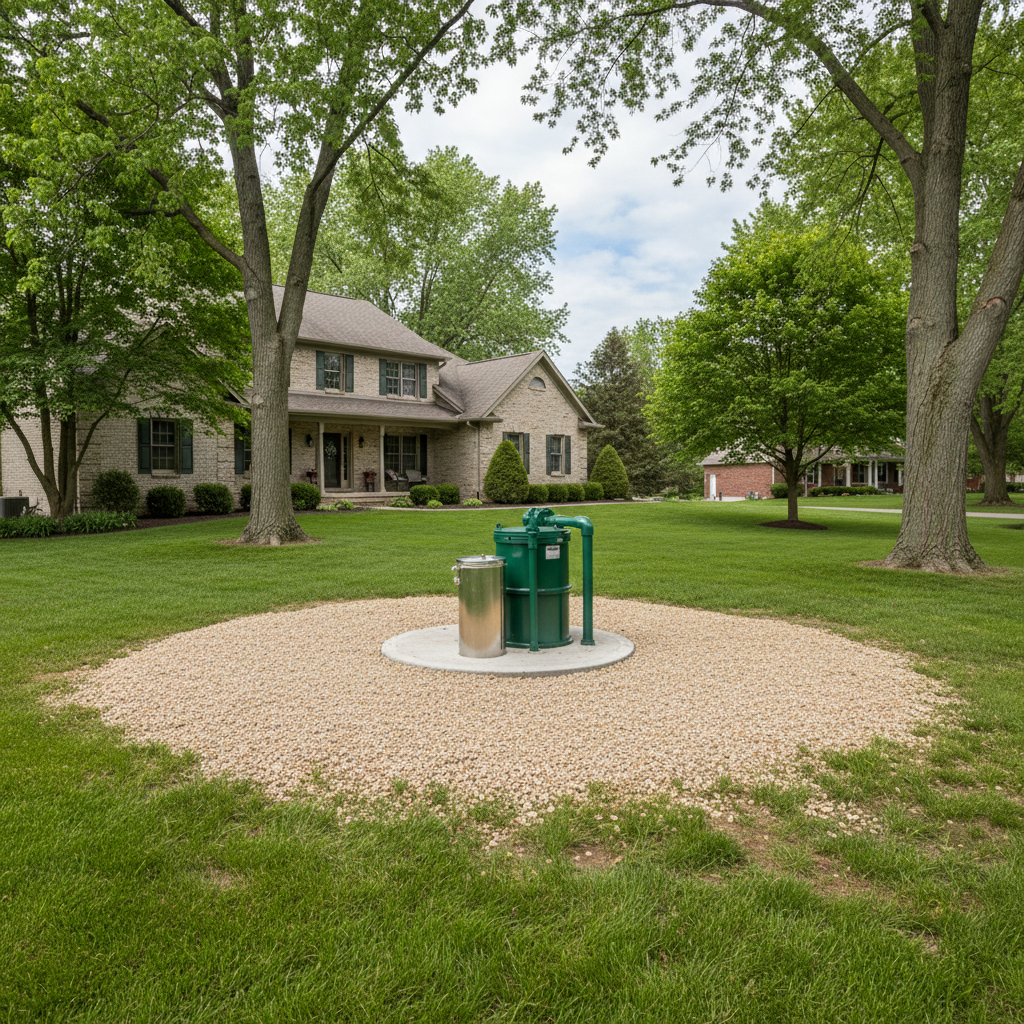
So, you've got environmental drilling work done on your property, maybe some monitoring wells, or a remediation system. That's a big investment, right? And you want it to last. Nobody wants to keep pouring money into fixing something that could've been prevented. I've seen plenty of these setups around Flint, from the old industrial spots near the river to newer commercial developments, and the key to longevity is pretty straightforward: good maintenance. It really is.
Extending the Life of Your Environmental Drilling Investment
When we talk about environmental drilling, we're usually thinking about monitoring wells, piezometers, or even some smaller-scale remediation systems. These aren't just holes in the ground; they're precise instruments designed to gather data or treat contaminants. The biggest thing you can do to extend their life is to protect them from the elements and from accidental damage. Think about it: a monitoring well head sticking out of the ground in a parking lot is just asking for trouble if it's not properly secured. We're talking about Michigan here, so you've got snowplows, freeze-thaw cycles, and general wear and tear to contend with.
For well heads, make sure they're properly cased and capped. If they're flush-mount, the protective cover needs to be tough enough to handle vehicle traffic or heavy equipment. For above-ground completions, a sturdy protective bollard or concrete pad can make all the difference. You also want to keep the area around them clear. Overgrowth, debris, or even just piles of snow can obscure access and potentially damage the well casing or associated equipment. A little bit of proactive protection goes a long way in avoiding costly repairs down the line, believe me.
What Regular Maintenance Looks Like
Regular maintenance for environmental drilling setups isn't usually a daily chore, but it's definitely not a 'set it and forget it' situation either. What you'll need depends on the specific system, but here are some common things to keep in mind:
- Visual Inspections: Walk around your site regularly, especially after big storms or seasonal changes. Look at the well heads, caps, and protective casings. Are they intact? Is anything loose or cracked? Is there any standing water around them that shouldn't be there?
- Clear the Area: Keep vegetation trimmed back. Make sure access points aren't blocked by equipment, trash, or snowdrifts. If you've got monitoring wells in a grassy area, make sure the lawnmower operator knows they're there and doesn't run them over.
- Check for Tampering: Unfortunately, sometimes people mess with things. Make sure locks are secure and that there are no signs of unauthorized access.
- Equipment Checks: If you have pumps, sensors, or other active remediation equipment, you'll want to follow the manufacturer's recommendations for calibration and service. This might mean checking fluid levels, filters, or battery backups.
- Data Review: If you're collecting data, review it regularly. Sudden, unexplained changes in readings can sometimes point to a problem with the well itself, not just the groundwater.
For monitoring wells, especially in areas like the old Buick City site where soil conditions can vary wildly, you might also need to consider occasional well development or rehabilitation if silt buildup becomes an issue. This isn't a DIY job, but it's part of keeping the well functioning correctly for accurate sampling.
Warning Signs of Problems
You don't need to be an expert to spot when something's not right. Trust your gut. Here are some common warning signs:
- Visible Damage: A cracked well cap, a bent protective casing, or a well that looks like it's been hit by a vehicle. This is a no-brainer.
- Standing Water: If you see water pooling around the well head, especially if the ground is normally dry, it could indicate a problem with surface water infiltration or a damaged seal.
- Unusual Odors: For remediation systems, any new or strong chemical smells could mean a leak or a system malfunction.
- Changes in Data: If your monitoring data suddenly becomes erratic, inconsistent, or just stops coming in, that's a huge red flag. It could be a sensor issue, or it could be a problem with the well itself.
- Difficulty Accessing: If you're struggling to open a well cap, or if the access tube feels blocked, don't force it. Something's not right.
- Equipment Malfunctions: Alarms going off, pumps not running, or strange noises coming from active remediation equipment.
Don't ignore these things. A small problem caught early is usually a lot cheaper and easier to fix than a major failure.
When to Call a Professional
Look, I'm all for doing what you can yourself, but some things just require specialized knowledge and equipment. You should definitely call a professional like us at Apex Well Drilling if you notice any of those warning signs. Beyond that, here are some other times to get us involved:
- Scheduled Maintenance: If you have a complex remediation system, it's smart to have a professional perform periodic maintenance and calibration. We know what to look for and how to keep things running optimally.
- Well Development/Rehabilitation: If your monitoring wells are silting up or showing reduced flow, they might need to be redeveloped. This involves specialized pumping and surging techniques to clear out fine sediments without damaging the well screen.
- Sampling Issues: If you're having trouble collecting samples, or if your lab results are consistently showing high turbidity, it might be a well integrity issue.
- Damage Repair: Any significant damage to well casings, caps, or protective structures needs professional repair to ensure the well remains sealed and functional.
- System Upgrades or Modifications: If you need to add new wells, modify an existing system, or decommission wells, that's definitely a job for experienced drillers.
- Regulatory Compliance: Environmental regulations are no joke. If you're unsure about compliance or need documentation for your well maintenance, we can help ensure everything is up to snuff with EGLE (Michigan Department of Environment, Great Lakes, and Energy) standards.
Your environmental drilling investment is there for a reason, whether it's protecting your property, monitoring conditions, or cleaning up a site. Taking care of it means it'll do its job effectively for years to come. Don't wait until you've got a bigger, more expensive problem on your hands.