Let us talk about environmental drilling. You might hear that term and think it is some big industrial thing. Sometimes, as a homeowner, you will need to deal with environmental drilling right here in your own backyard. Maybe you are looking to buy a property with a questionable past. You might also have an old buried oil tank that needs checking out. Whatever the reason, understanding this process can save you a lot of headaches as well as money.
Our team has seen many projects around Flint. We can tell you that the ground here can be tricky. This is because of its mix of glacial till as well as clay layers. That is why you need to know what you are getting into with environmental drilling. This is not about digging a new water well for your home. This is about figuring out what is in the soil as well as the groundwater.
Before You Dig: Planning and Permits for Environmental Drilling
First things first, do not just grab a shovel and start poking around. Environmental drilling involves boring into the ground. This is done to collect samples of soil, groundwater, or soil gas for analysis. This is serious business. There are rules for environmental drilling in Flint.
- Know Your 'Why' for Environmental Drilling: You need to know why you think you need environmental drilling. Is it a suspected contamination issue? Are you buying or selling a property in Flint and need a site assessment? The reason will dictate the scope of the environmental drilling project.
- Local Regulations & Permits for Environmental Drilling: This is an important step. You will almost certainly need permits for environmental drilling projects in Flint. This is especially true if you are installing monitoring wells. These permits make sure your project follows local as well as state regulations. This includes those from the Michigan Department of Environment, Great Lakes, and Energy (EGLE). Do not try to navigate this alone. A professional driller, like us at Apex Well Drilling, can help you understand as well as secure the necessary permits for environmental drilling in Flint.
- Site Assessment for Environmental Drilling: A professional will need to assess your property before any drilling happens. They will look at the history of the site as well as potential sources of contamination. Our team will also look at the local geology in Flint. This helps determine the best drilling method as well as where to take samples for environmental drilling.
- DIY vs. Pro for Environmental Drilling: You cannot really do anything yourself here. This initial phase is all about expert knowledge. You can gather any historical documents you have about your property. This includes old deeds or previous environmental reports. You can share these with your consultant. That is about the extent of your DIY contribution at this stage of environmental drilling.
During the Environmental Drilling: What to Expect
The drilling crew will show up once the planning is done and permits are in hand. This is not like digging a post hole. This involves specialized equipment as well as techniques for environmental drilling in Flint.
- Equipment for Environmental Drilling: You will see drilling rigs. Some are truck-mounted. Some are on tracks for tighter spaces. They will use different drilling methods depending on the soil as well as what they are looking for. Common methods include hollow stem auger, direct push, or rotosonic drilling. Each method has its purpose for collecting soil, groundwater, or soil gas samples during environmental drilling.
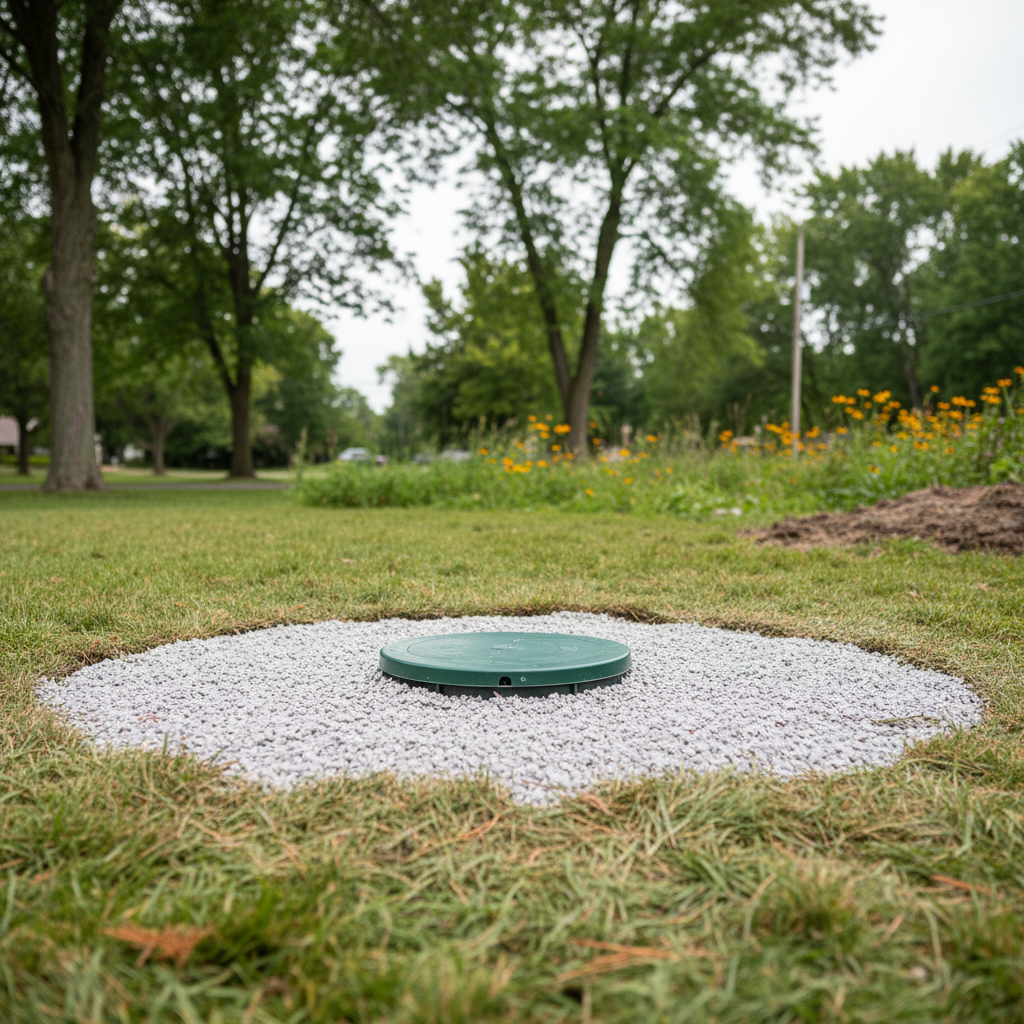
- Sample Collection for Environmental Drilling: This is the core of environmental drilling. Crews will collect samples at specific depths. They make sure they do not contaminate them in the process. They might install monitoring wells. These are basically pipes placed in boreholes to allow for future groundwater sampling.
- Minimizing Disruption from Environmental Drilling: Good drillers will work to minimize the impact on your property. They will plan the project to reduce noise as well as the footprint of their equipment. After drilling, they will properly abandon boreholes or install flush-mount monitoring wells. Our team will also clean up the work area.
- DIY vs. Pro for Environmental Drilling: Again, this is definitely a job for the pros. You should not be operating heavy drilling equipment. You should also not attempt to collect environmental samples yourself. Your role during this phase is to provide access as well as ask questions. You also need to make sure the crew has what they need. You might be asked to mark underground utility lines before they start. This is something you can definitely handle by calling 811.
After the Environmental Drilling: Analysis and Next Steps
The drilling is done. The crew has packed up. The environmental drilling project is not over. Now comes the important part: understanding what they found.
- Lab Analysis for Environmental Drilling: The samples collected from your property will go to an accredited laboratory for analysis. They will test for specific contaminants. This depends on the initial concerns. This data is important for making informed decisions about your property in Flint.
- Reports & Interpretation for Environmental Drilling: You will get a report detailing the findings. This report will explain what was found, if anything. It will also explain what it means for your property. An environmental consultant often comes in handy here. They help you interpret complex data.
- Potential Actions After Environmental Drilling: You might need to take further action based on the lab results. This could range from simple monitoring to more involved remediation efforts. This is if contamination is significant. For example, if groundwater contamination is detected, ongoing monitoring wells can track changes over time.
- Well Abandonment After Environmental Drilling: If monitoring wells are no longer needed, they must be properly abandoned. This prevents them from becoming pathways for contamination. This is another task for a licensed professional.
- DIY vs. Pro for Environmental Drilling: You can review the reports as well as ask questions. You can also follow any ongoing monitoring schedules if monitoring wells were installed. Interpreting lab results, developing remediation plans, or abandoning wells are all tasks that require professional expertise. Do not try to guess what those chemical names mean. You should also not attempt a DIY well abandonment. You could make things worse.
Environmental drilling is not something most homeowners deal with every day. When you need it, you need to get it right. It is about protecting your property value. More importantly, it is about protecting your health as well as the environment. Some aspects might seem intimidating. Remember that professionals like us are here to help guide you through the process. We make sure everything is done by the book as well as safely. If you have questions about environmental drilling on your Flint property, do not hesitate to give us a call at Apex Well Drilling.