We are going to talk about getting water to your home in Flint, MI. If you are looking into a private well, you have probably heard some terms. It can get confusing fast. We want to clear up the differences between two common, shallower well types. These are bored wells as well as jetted wells. We will look at how they stack up on cost as well as how long they last. We will also look at what kind of upkeep they need as well as what they look like. We will keep our Flint, MI soil in mind for this discussion.
What is the Deal with Bored Wells in Flint, MI?
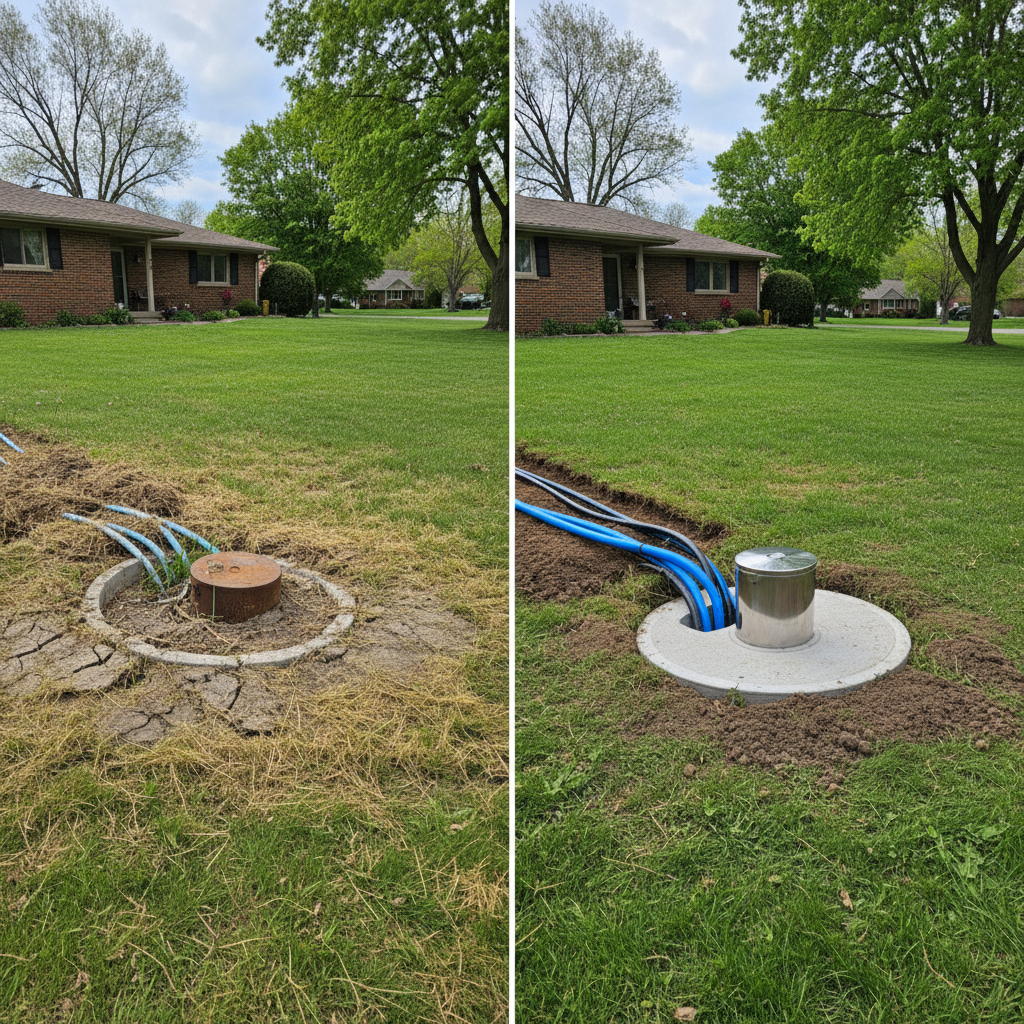
A bored well is a wide, shallow hole. We usually dig it with a large auger. You can think of it like a giant post-hole digger, but for water. Bored wells are typically 2 to 3 feet in diameter. They often go down 30 to 100 feet deep. Some bored wells can hit 125 feet. Once the hole is dug, we line it with concrete tiles or other materials. This keeps it from caving in.
Cost for Bored Wells
Generally, bored wells are on the cheaper side for initial installation in Flint, MI. They often start around $2,500. The equipment is simpler. They do not go as deep as a drilled well. This keeps the upfront cost down for a bored well.
Durability and Water Quality for Bored Wells
Bored wells have some drawbacks. They are wide and relatively shallow. This means they are more prone to contamination from surface runoff. They can also get contamination from agricultural pollutants as well as nearby septic systems. The concrete tiles have joints every few feet. If those are not properly sealed, surface water can seep in. Bored wells also pull water from shallower aquifers. This means they can be more susceptible to water level fluctuations. This is especially true during dry spells. In some of our Genesee County areas, we have a mix of clay and glacial till. Bored wells might struggle to get a consistent, clean supply if the water table is not consistently high.
Maintenance for Bored Wells
You will need to keep a close eye on a bored well. Regular water testing for bacteria and nitrates is important. This is especially true since they are more vulnerable to surface contamination. Making sure the area around the well head is properly graded to drain water away is also important. This helps prevent issues with your bored well.
Appearance of Bored Wells
A bored well usually has a wider, visible casing at the surface. This is often a concrete or similar material. It is not typically hidden underground like some other well types. This means it is a bit more noticeable in your yard in Flint, MI.
What About Jetted Wells in Flint, MI?
Jetted wells are sometimes called wash-boring. We use a high-velocity stream of water to create the hole for a jetted well. We pump water down a pipe. The pressure washes away the soil. This allows the casing and screen to sink into the ground. Jetted wells are typically small in diameter. They might be 2 to 4 inches. They are usually not very deep. They are often less than 50 feet.
Cost for Jetted Wells
Jetted wells can be quite economical for initial setup. They are sometimes even cheaper than bored wells. This is especially true if the soil conditions are just right in Flint, MI. Jetted wells are quick to install. This helps keep labor costs down.
Durability and Water Quality for Jetted Wells
Jetted wells are shallow, like bored wells. This means they are also susceptible to contamination from surface water. They can also be affected by seasonal changes in the water table. Jetted wells work best in loose, sandy soils. If you hit clay or rock, this method is not going to work. Flint's soil can vary. It can range from sand and gravel to heavy clay and even bedrock. A jetted well might not be feasible everywhere in Flint, MI. You are usually pulling from unconfined aquifers. These are closer to the surface and have higher contamination risks.
Maintenance for Jetted Wells
Regular water testing is a must for jetted wells. This is similar to bored wells. This is because of their shallow depth as well as their potential for contamination. Keeping the area around the well clean and clear of potential pollutants is also important. Sometimes, periodic cleaning or 'jetting' can be done. This helps maintain production if the jetted well starts to slow down.
Appearance of Jetted Wells
Jetted wells typically have a small-diameter casing. This is less noticeable than a bored well. This can be a good thing if you are concerned about how it looks in your yard in Flint, MI.
Our Recommendation for Flint Homeowners
When you are weighing bored wells against jetted wells here in Flint, it comes down to a few things. It mostly comes down to the local conditions. Both are shallow well types. That is their biggest shared weakness. This is true when it comes to long-term reliability as well as water quality. They are both more susceptible to surface contamination. They can also run dry if the water table drops significantly.
The median drilled well depth in Genesee County is around 180 feet. Many wells range from 124 to 220 feet deep. This tells you that for a consistent, reliable water source, we are often going deeper. This is deeper than what a bored or jetted well can typically reach. The Michigan Well Construction Code also requires wells to be cased to a depth of 25 feet. Deeper wells generally provide better protection from surface pollution.
We would lean away from both bored and jetted wells for drinking water. This is for most homeowners in Flint looking for a primary, dependable water source. They might be cheaper upfront. However, the increased risk of contamination, lower yield, and vulnerability to water table changes often mean more headaches and costs later on. You will likely need additional water treatment. The reliability just is not there with these types of wells in Flint, MI.
A properly drilled well is almost always the better long-term investment. This is for a reliable and safer water supply in our area. This is true if your budget and property allow for it. Drilled wells can tap into deeper, more stable aquifers. This offers better water quality as well as consistent pressure. Apex Well Drilling specializes in assessing your property's specific geology as well as your water needs. This helps make sure you get the best solution. We do not just give you the cheapest one.
Now, a jetted well could be a quick, low-cost option. This is if you are just looking for water for something like irrigation or a seasonal cabin. You would also need to know you have a very shallow, consistent water table with good quality. But for your home's drinking water, you really want to prioritize safety as well as reliability. Do not cut corners when it comes to something as important as your water in Flint, MI.